
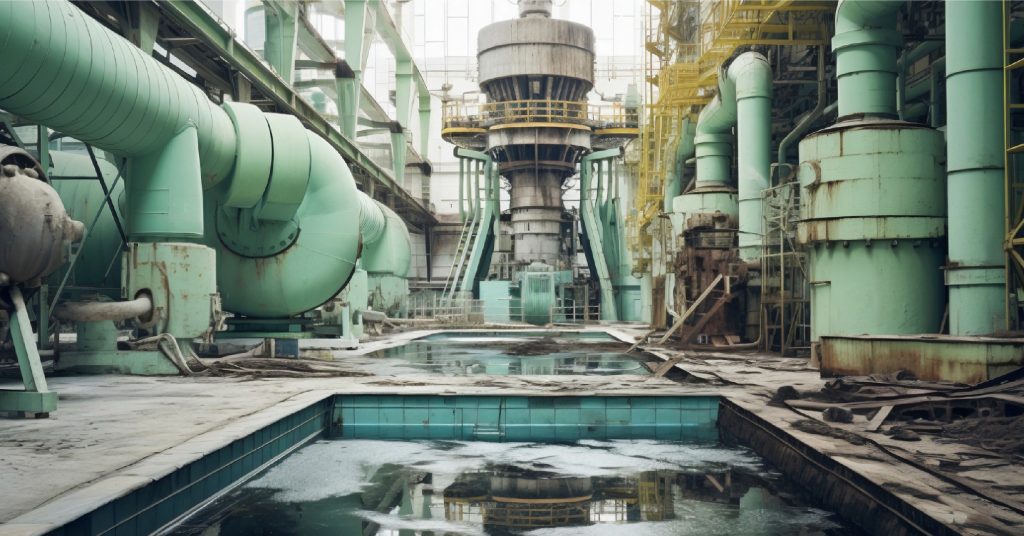
Industrial growth in India has significantly increased demand for efficient Water Management Solutions to reduce water consumption, control pollution, and optimize operational costs. Industries such as power, chemicals, textiles, pharmaceuticals, food processing, and petrochemicals generate large volumes of industrial wastewater, making proper treatment and reuse essential.
One of the most effective approaches to sustainable water management is Zero Liquid Discharge (ZLD). By implementing advanced wastewater treatment and recycling technologies, industries can recover water, minimize discharge, and reduce long-term operating costs while meeting environmental regulations.
Modern wastewater management system designs integrate multiple treatment processes to ensure that no liquid waste leaves the facility, making ZLD a key strategy for cost optimization and sustainability.
Table of Contents
ToggleWhat Is Zero Liquid Discharge (ZLD)?
Zero Liquid Discharge is a water treatment approach in which all wastewater generated in an industrial process is treated and reused, leaving no liquid effluent for disposal.
A ZLD system typically includes:
- Primary wastewater treatment
- Secondary biological treatment
- Membrane filtration
- Evaporation and crystallization
- Water recovery and reuse
By recovering usable water and separating solid waste, ZLD helps industries reduce water consumption and disposal costs.
Why ZLD Is Important for Industries in India?
India faces increasing pressure on freshwater resources, along with strict environmental regulations for industrial discharge.
Key reasons industries are adopting Zero Liquid Discharge include:
- Limited availability of freshwater
- Stringent pollution control norms
- High cost of water procurement
- Need for sustainable operations
- Environmental compliance requirements
Implementing a proper wastewater management system helps industries operate efficiently while meeting regulatory standards.
Role of Wastewater Treatment in ZLD Systems
Efficient Wastewater Treatment is the foundation of any ZLD implementation.
Industrial wastewater may contain:
- Suspended solids
- Oils and grease
- Chemicals
- Dissolved salts
- Organic pollutants
- Heavy metals
Advanced treatment processes remove these contaminants before water is reused or further concentrated.
Typical treatment steps include:
- Equalization and clarification
- Biological treatment
- Filtration and membrane processes
- Chemical treatment
These processes prepare the water for recovery in ZLD systems.
Key Technologies Used in Zero Liquid Discharge
Membrane Filtration
Membrane systems such as ultrafiltration, nanofiltration, and reverse osmosis are used to separate clean water from wastewater.
Benefits include:
- High water recovery
- Reduced load on evaporators
- Lower energy consumption
- Improved treatment efficiency
Membrane technology is essential in modern Water Management Solutions.
Evaporation Systems
Evaporators are used to concentrate wastewater after membrane treatment.
These systems remove remaining water and leave behind solids that can be safely disposed of or reused.
Evaporation technologies help achieve complete Zero Liquid Discharge.
Crystallizers
Crystallizers convert concentrated waste into solid salts.
This step ensures that no liquid waste remains, completing the ZLD cycle.
Recovered salts may sometimes be reused, depending on the industry.
Biological Treatment Systems
Biological processes are used to remove organic pollutants from industrial wastewater before advanced treatment.
These systems improve overall efficiency and reduce operating costs.
Cost Optimization Through ZLD Implementation
Although ZLD systems require an initial investment, they help industries reduce long-term operating costs.
Cost benefits include:
- Reduced freshwater purchase
- Lower wastewater disposal cost
- Recovery of reusable water
- Reduced environmental penalties
- Improved process efficiency
- Lower chemical consumption
By integrating ZLD into the wastewater management system, industries can achieve both environmental compliance and cost savings.
Applications of Zero Liquid Discharge in India
ZLD is widely used in industries such as:
- Power plants
- Textile manufacturing
- Chemical industries
- Pharmaceutical plants
- Food processing units
- Petrochemical facilities
- Metal processing industries
These industries generate high volumes of industrial wastewater, making ZLD essential for sustainable operation.
Ion Exchange Water Management Solutions for ZLD
Ion Exchange provides advanced and economical solutions to address water scarcity while ensuring environmental sustainability. Our Zero Liquid Discharge (ZLD) systems are designed to maximize water recovery, reduce wastewater discharge, and generate substantial cost savings. Backed by over 60 years of expertise, we integrate cutting-edge effluent treatment processes, innovative membrane technologies, and state-of-the-art evaporation methods to help industries achieve complete water reuse. By implementing ZLD, businesses can ensure a consistent water supply for process needs, recover valuable by-products, lower water costs, and significantly reduce their reliance on freshwater sources. Additionally, our solutions enable compliance with pollution control regulations, making them an essential choice for industries striving for sustainability and operational efficiency.
Supporting Sustainable Industrial Growth in India
With increasing water scarcity and environmental regulations, Zero Liquid Discharge has become a key part of modern industrial infrastructure.
Advanced Water Management Solutions help industries:
- Reduce environmental impact
- Conserve water resources
- Improve operational efficiency
- Optimize treatment costs
- Ensure long-term sustainability
ZLD systems enable industries to grow while maintaining responsible water usage.
Conclusion
Implementing Zero Liquid Discharge is one of the most effective ways for industries in India to optimize costs while ensuring sustainable water management. By combining advanced wastewater treatment, membrane filtration, evaporation systems, and integrated wastewater management system design, industries can recover water, reduce discharge, and improve operational efficiency.
With modern Water Management Solutions, ZLD not only helps meet environmental regulations but also supports long-term industrial growth and resource conservation.
FAQs
- What is Zero Liquid Discharge in industrial wastewater treatment?
Zero Liquid Discharge is a treatment process where all wastewater is treated and reused, leaving no liquid effluent for disposal. - Why is ZLD important for industries in India?
ZLD helps industries comply with environmental regulations, reduce water consumption, and lower wastewater disposal costs. - What technologies are used in Zero Liquid Discharge systems?
ZLD systems use membrane filtration, biological treatment, evaporators, and crystallizers to recover water and eliminate discharge. - How does ZLD help in cost optimization?
ZLD reduces freshwater usage, lowers disposal costs, and allows water reuse, leading to long-term savings. - How does Ion Exchange support Zero Liquid Discharge implementation?
Ion Exchange provides complete water management solutions, including wastewater treatment plants, recycling systems, and ZLD technologies for industrial applications.