
The paper industry is one of the most water-intensive manufacturing sectors in India. From pulp preparation and bleaching to washing and paper finishing, large volumes of water are required throughout the production cycle. Effective Water Management Solutions are therefore critical to ensure operational efficiency, regulatory compliance, and environmental sustainability.
With growing water scarcity and strict discharge norms from pollution control authorities, paper manufacturers are increasingly adopting advanced water management systems and waste treatment technologies to optimize water usage and treat industrial wastewater before discharge or reuse.
Table of Contents
ToggleWhy Water Management is Critical for the Paper Industry?
Paper manufacturing generates significant volumes of wastewater containing fibers, suspended solids, organic compounds, chemicals, and color bodies. If not treated properly, this wastewater can cause environmental pollution and affect surrounding ecosystems.
Key reasons why effective water management is essential for paper mills include:
- High water consumption in pulping, bleaching, and washing processes
- Generation of complex industrial wastewater streams
- Increasing regulatory pressure for zero or minimal discharge
- Need to reduce freshwater intake and operational costs
Modern water treatment and recycling technologies enable paper mills to reduce water consumption while maintaining product quality and production efficiency.
Major Sources of Industrial Wastewater in Paper Manufacturing
Paper mills produce wastewater from multiple process stages, including:
- Pulping Process
Wood chips or recycled paper are processed using chemicals and water, generating wastewater rich in lignin, fibers, and dissolved organic matter. - Bleaching Operations
Bleaching agents introduce chemical contaminants and color into wastewater streams. - Paper Machine Operations
White water generated during sheet formation contains suspended fibers and additives. - Washing and Cleaning Systems
Equipment washing and system cleaning contribute additional wastewater loads.
Effective water management solutions help treat these streams, recover valuable materials, and minimize discharge.
Key Water Management Solutions for the Paper Industry
1. Raw Water Treatment Systems
Paper mills require high-quality process water for efficient operations.
Raw water treatment systems include:
- Clarification and filtration
- Ion exchange systems
- Reverse osmosis (RO) systems
- Demineralization plants
These technologies ensure consistent water quality for pulp preparation, boilers, and cooling systems.
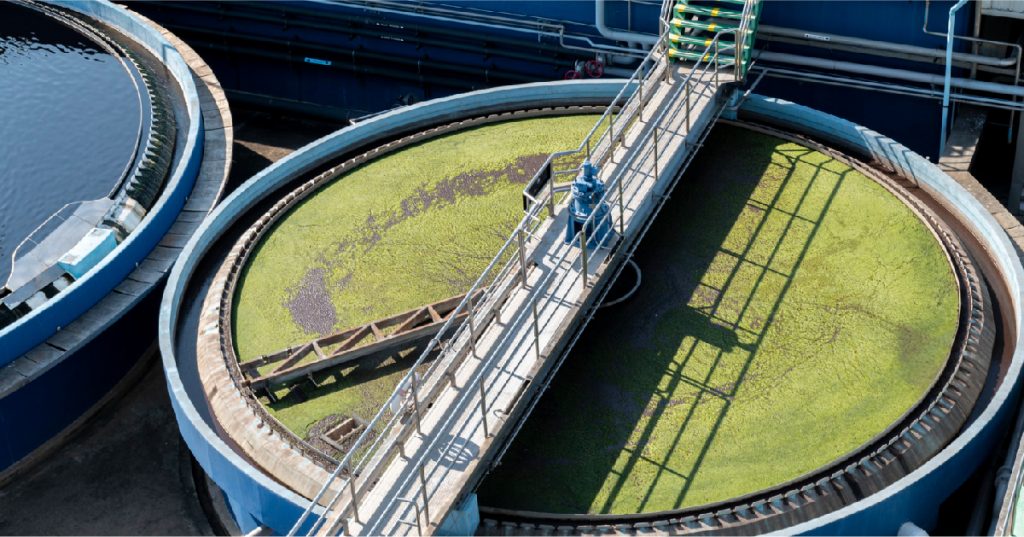
2. Effluent Treatment Plants (ETP)
An Effluent Treatment Plant is essential for treating industrial wastewater generated during paper manufacturing.
Typical ETP processes include:
- Screening and primary clarification
- Biological treatment for organic load reduction
- Secondary clarification and sludge separation
- Advanced filtration and polishing
Advanced ETPs significantly reduce chemical oxygen demand (COD), biological oxygen demand (BOD), and suspended solids.
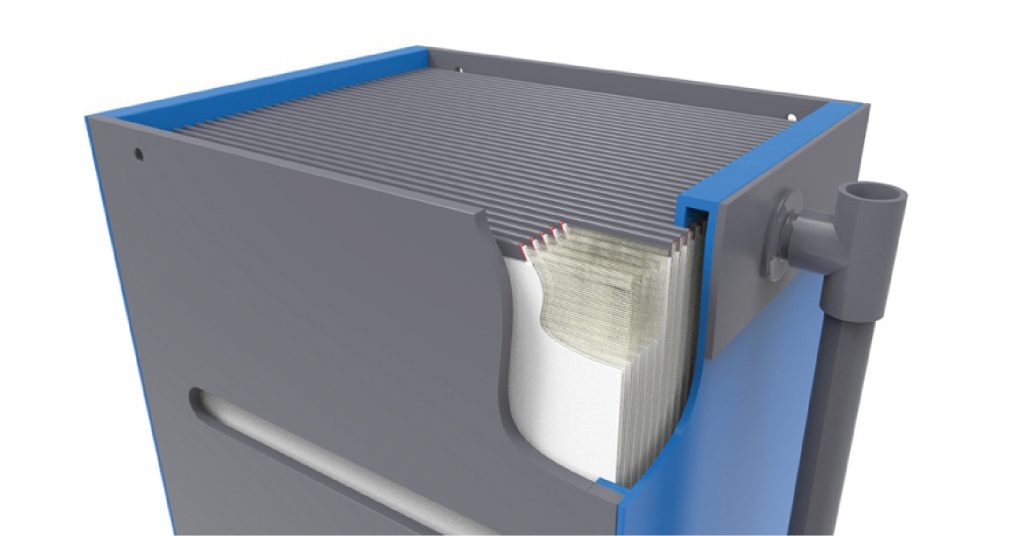
3. Membrane-Based Water Recycling
Membrane technologies are widely used to improve water recovery and reduce wastewater discharge.
Common systems include:
These technologies help recycle treated water back into production processes, reducing freshwater consumption and improving sustainability.
4. Zero Liquid Discharge (ZLD) Systems
Many modern paper mills in India are adopting Zero Liquid Discharge (ZLD) systems to eliminate wastewater discharge.
ZLD systems integrate multiple treatment technologies, such as:
- Effluent treatment
- Membrane filtration
- Multi-effect evaporators (MEE)
- Crystallizers
These integrated systems recover water and valuable by-products while ensuring complete compliance with environmental regulations.
5. Specialty Chemical Treatment Programs
Advanced waste treatment technologies also include specialized chemical treatment programs that improve system efficiency and water reuse.
Applications include:
- Coagulants and flocculants for solid-liquid separation
- Antiscalants and dispersants for membrane systems
- Biocides and slimicides for microbial control
- Boiler and cooling water treatment chemicals
These solutions enhance process performance, improve product quality, and reduce overall water consumption.
Benefits of Advanced Water Management Solutions
Implementing modern water management solutions in paper manufacturing offers multiple benefits:
- Reduced freshwater consumption
- Lower wastewater discharge
- Compliance with environmental regulations
- Recovery of fibers and process chemicals
- Reduced operational costs
- Improved sustainability performance
Industries adopting integrated treatment, recycling, and reuse systems can significantly optimize water usage while maintaining operational efficiency.
Krafting Sustainable Water Management Solutions for the Pulp & Paper Industry
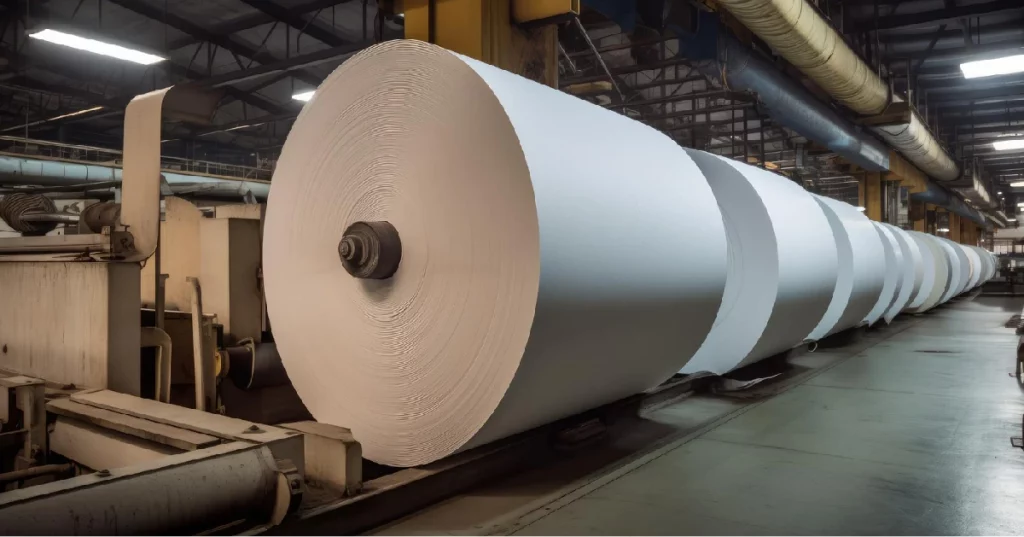
Paper making is one of the largest agro-based industries, which uses a variety of raw materials, viz., wood, bamboo, recycled fibre, bagasse, wheat straw, rice husk, etc. The Pulp & Paper industry is also one of the largest consumers of fresh water, with consumption in the range of 10-60 m3/t of product depending on the scale of operation and the type of raw material (RCF to Wood) being used. The major water-consuming areas in the pulp & paper industry include Pulp Mill, Paper Machine, Chemical Recovery, and Utilities.
A large percentage of water consumed for washing & dilution purposes becomes a part of the wastewater, having contaminants such as fibre, color, TDS, organic & inorganic pollutants. Nearly 14% of industrial wastewater generated by industries is attributed to the Pulp & Paper industry.
The world has been seeing a continuous reduction in water availability, with many regions likely to be hit by water scarcity in the near future. Further, it is also observed that most Pulp & Paper mills in countries like India are in water-scarce regions. With a rising population and increasing per capita income, the demand for pulp and paper is expected to increase in the country. Therefore, paper mills will be faced with the challenge of increasing production with reduced quantities of water available. Furthermore, the regulatory frameworks are also guiding the sector to reduce freshwater consumption and wastewater discharge, mandating the industry to adopt new, sustainable, and efficient water and waste treatment technologies.
The industry has started evolving strategies through the adoption of technologies that can help in handling challenges such as salt build-up, colour, and other difficult-to-treat contaminants, apart from odour-control in finished products.
Ion Exchange provides a two-pronged approach to meet the above goals:
- Optimizing good manufacturing practices for which Ion Exchange provides speciality process chemicals (dry and wet end chemicals), which not only improve the quality and efficiency through increased processing yields but also reduce consumption of water in the manufacturing process.
- Providing advanced water and waste treatment technologies beginning with a complete appraisal of water consumption through a comprehensive water audit,t which is followed by substituting conventional treatment with advanced technologies and modern integrated water management processes that ensure source reduction, product recovery, waste minimization, and water reuse.
Leveraging more than five decades of experience in providing end-to-end value-added products and solutions, Ion Exchange reaffirms its commitment to offer its products, services, solutions, and innovations to meet the growing need for an efficient and sustainable paper-manufacturing process.
Towards Sustainable Paper Manufacturing in India
With increasing environmental awareness and tightening discharge regulations, the Indian paper industry is shifting toward sustainable production practices.
Advanced water management solutions, combined with efficient industrial wastewater treatment and modern waste treatment technologies, enable paper mills to reduce environmental impact while maintaining profitability.
By investing in integrated water treatment and recycling systems, the paper industry can move toward a future where water is managed as a valuable resource rather than a waste stream.
FAQs
1. Why is water management important in paper manufacturing?
Water management helps paper mills reduce water consumption, control wastewater discharge, and ensure compliance with environmental regulations.
2. What contaminants are found in paper industry wastewater?
Paper industry wastewater typically contains fibers, suspended solids, organic compounds, chemicals, color bodies, and dissolved pollutants.
3. How do paper mills reduce freshwater consumption?
Paper mills reduce freshwater use by recycling treated wastewater, optimizing process water usage, and implementing closed-loop water management systems.
4. What technologies help recycle water in paper mills?
Technologies such as ultrafiltration (UF), nanofiltration (NF), reverse osmosis (RO), membrane bioreactors (MBR), and Zero Liquid Discharge (ZLD) systems enable water recycling.
5. How does Ion Exchange support sustainable water management for the pulp and paper industry?
Ion Exchange provides integrated water and wastewater treatment technologies, specialty process chemicals, and water audits to help paper mills optimize water usage and improve sustainability.